
"Aqery Washing Station"
31000 article(s) found

Rwandan Coffee African Coffee Producing Region Rwandan Coffee Introduction Rwandan Coffee Flavors
Professional coffee knowledge exchange More coffee bean information Please pay attention to coffee workshop (Weixin Official Accounts cafe_style) Rwandan coffee is the most popular African coffee after Kenya and Ethiopia. However, unlike the two famous producing countries, it does not have a long history of cultivation, let alone wild native varieties; this small African country is a fire phoenix reborn from disaster.

Is Kayanza's coffee the best in Burundi? How does Burundi coffee compare to Kenya?
Flavor: Citrus, Green Apple, Peach Origin: GAHAHE (KAYANZA /Kayanza Province) Processing: Washing Origin Kayanza Province is one of the most famous coffee regions in Burundi. Coffee farms are located in highlands, volcanic terrain fertile soil. But optimal growing conditions alone are not enough to produce high-quality coffee. To get top coffee, proficiency

A brief introduction to the description of flavor and aroma characteristics of fine coffee beans from water washing bourbon in Muxiui treatment plant, Rwanda
For the exchange of professional baristas, please follow the coffee workshop (Wechat official account cafe_style) this batch of flavor essays: red apples, cherries, cinnamon and honey, high sweetness and balance, cinnamon, almonds, chocolate finish. Factory name: Dazhen Cafe Qianjie Cafe address: No. 10 Baoanqian Street, Yuexiu District, Guangzhou City, contact information: 020-38364473 ingredients table: home baking

Ethiopia Yega Fichelma Salesamie treats people like rose peach essential oil
Professional coffee knowledge exchange more coffee bean information please follow the coffee workshop (Wechat official account cafe_style) front street-Yega Xuefei Kochel Martha Reza introduction 2018 Nordic attack began to try honey-treated coffee in Ethiopia. This is an experimental batch of Israel Degfa, the owner of the processing plant! Israel Deg, the owner of the processing station

The Historical Origin of Rwandan Coffee
Historical editors originate that Rwandans have been growing coffee since colonial times, but until 1999, its products were still classified as below Class C and were not popular in the global market. The reason for the poor quality is that farmers do not have a fixed procedure for washing coffee beans and do not process coffee fruits according to specifications in time. Buyers buy coffee beans at $0.33 per kilogram, which farmers earn at low prices.

What is the introduction of Rwandan coffee varieties? flavor description treatment method planting historical manor information
Professional baristas please pay attention to the coffee workshop (Wechat official account cafe_style) Bourbon accounts for more than 90% of Rwanda's production. A small number of farmers grow bourbon variants BM-139 and Jackson. There are more mountains in the south and west, and washing stations are also famous. For example, Gitesi, Huye Mountain, Mibirizi, etc. Stone is common in Central America.

Starbucks Rwanda Musasha Coffee Bean Story introduction to the characteristics and flavor of Rwandan coffee beans
Professional coffee knowledge exchange more coffee bean information please follow the coffee workshop (Wechat official account cafe_style) Rwanda Musasha Rwanda Musasa 840 250g lemon-like acidity accompanied by black plum and syrup smooth texture, sweet ibon mart blog about coffee bean label pattern Musasha washing station is a gathering place, everyone gathered in

Xidamo Guji producing area Sasha Bar processing factory information Sasha Bar Top Sun Coffee Flavor
For the exchange of professional baristas, please follow the coffee workshop (Wechat official account cafe_style) Ethiopia Oromia Region Washing Station Natural process brief introduction 2016, Ethiopia Onomia salsa bar top sun! The newly arrived salsa bar suntan is full of sweetness and lasting aroma, which is 100% attractive! Sasha Bar is a processing seat.

Description of the Flavor of the Historical Variety treatment method of Rwandan Coffee beans
Professional baristas please follow the coffee workshop (Wechat official account cafe_style) Rwanda (Rwanda), known as Land of a Thousand Hills, is located on the equator and is surrounded by East African States such as Congo, Uganda, Tanzania and Burundi. Geographically, it has suitable conditions for growing coffee, but it has been introduced by German missionaries since 1904.

Kenyan coffee introduction, Kenyan Jinchu flavor description
Follow the caf é (Wechat official account vdailycom) found that the beautiful cafe opened its own shop, Kenya Coffee, the origin of Arabica coffee trees in Kenya, but it was not until the beginning of the 20th century that it began to engage in coffee cultivation. In the 19th century, missionaries introduced Arabica trees from Yemen, but did not plant them in large quantities. It was not until 1893 that they introduced ancient Brazil.
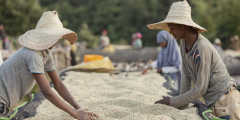
Introduction of Coffee from Limu Gera Mill Micro-producing areas in Ethiopia-recommendation of shade certified coffee beans
Professional coffee knowledge exchange more coffee bean information please follow the coffee workshop (Wechat official account cafe_style) LIMU GERA MILL-GERA WOREDA, JIMMA ZONE-FAYSEL ABDOSH in Gera Woreda, we work with Faysel Abdosh, who has been operating the water washing station since 2014. More than 75% of the coffee in Limu Gera Mill is grown in the shade.

A brief introduction to the cultivation of boutique coffee beans in Chimeier Manor with a long aftertaste, geographical location, climate and altitude
Rwanda's economy is dominated by agriculture. The population engaged in agriculture and animal husbandry accounts for 92% of the country's population. The main cash crops are coffee, tea and cotton. Because it is an agricultural and animal husbandry country, coupled with the loss of many young workers caused by the genocide in 1994, it is a huge blow to a country that is not already rich, and Rwanda is still a backward country. Luwang after the Civil War

What do you mean by washing coffee? what do you mean by washing coffee beans? advantages and disadvantages of washing coffee beans.
Professional coffee knowledge exchange more information about coffee beans Please follow the coffee workshop (Wechat official account cafe_style) once the coffee is grown and transported to the processing station, the next step is to remove the outer pulp of the cherries so that the beans can be extracted. So far, the vast majority of coffee processing is carried out through washing process, in which the mechanical and biochemical processes are

For Rwandan coffee beans, it is better to buy raw beans or roasted beans.
Rwandans have been growing coffee since colonial times, but until 1999, its products were still classified as below Class C and were not popular in the global market. The reason for the poor quality is that farmers do not have a fixed procedure for washing coffee beans and do not process coffee fruits according to specifications in time. Buyers buy coffee beans at $0.33 per kilogram, and farmers keep warm by the meagre profits earned at low prices.

Essex plus Sheffield Coca Coffee Flavor Coffee Coffee Flavor
Country: Ethiopia / Ethiopia producing area: Koka Village, Yegashefi Town / Yirgacheffe WoredaKoke Kebelea producer: Koka processing Plant / Koke Washing Station altitude: 1870-1900m varieties: original species Heirloom treatment method: sun baking degree: shallow baking flavor: graceful fermented fruit acid, with orange sauce peach, cocoa flavor, acid
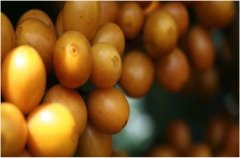
Coffee World Map--Introduction to Rwandan Coffee Development, Processing and Varieties
Professional barista exchanges, please pay attention to coffee workshop (Weixin Official Accounts cafe_style ) Rwandan coffee, the most popular African coffee after Kenya and Ethiopia. However, unlike the two famous producing countries, it has no long history of cultivation, let alone wild native varieties; this small African country is a fire phoenix reborn after disaster. Rwanda is known as

Yega Xuefei AT processing Plant Sidamo AD processing Plant introduces what is the Red Cherry Project?
Professional coffee knowledge exchange more coffee bean information please follow the coffee workshop (Wechat official account cafe_style) Yega area-A.T. Treatment field (Alemayehu Tilahuns washing station) A.T. "Coffee is my life," said Alemayehu, the owner of the Gedeb district of Yegashev, at an altitude of 1700-2200m.

Fine coffee Rwanda coffee treatment method washing, elevated scaffolding sun drying
Rwandans have been growing coffee since colonial times, but until 1999, its products were still classified as below Class C and were not popular in the global market. The reason for the poor quality is that farmers do not have a fixed procedure for washing coffee beans and do not process coffee fruits according to specifications in time. Buyers buy coffee beans at $0.33 per kilogram, and farmers keep warm by the meagre profits earned at low prices.

Coffee Bean Flavor characteristics of Mushonyi Mushuyi processing Plant in Rwanda
Professional coffee knowledge exchange more coffee bean information Please follow Coffee Workshop (Wechat official account cafe_style) the Republic of Rwanda is located in east-central Africa near the equator, is a small mountainous country in Central Africa. It is bordered by Uganda in the north, Tanzania in the east, Burundi in the south and Congo in the west. It was a colonial country before 1962 and started from Belgium in 1962.

The origin of coffee beans in Rwanda Coffee bean powder is too weak.
The Rwandans of origin have been growing coffee since colonial times, but until 1999, its products were still classified as below Class C and were not popular in the global market. The reason for the poor quality is that farmers do not have a fixed procedure for washing coffee beans and do not process coffee fruits according to specifications in time. Buyers buy coffee beans at $0.33 per kilogram, and farmers rely on the meagre profits earned at low prices.